Sadhus in Shri Pashupati for Celebrate MAHA-SHIVARATRI
|
There are around 4 to 5 million sadhus in
Nepal and India now a days and they are widely respected for their holiness. In
Maha Shivaratri festival, many sadhus come to visit and pray at Shree
Pashupatinath Temple here in Kathmandu from diffrents parts of Nepal and India.
It is also thought that the austere practices of the sadhus help to burn off
their karma and that of the community at large. Thus seen as
benefiting society, sadhus are supported by donations from many people.
However, reverence of sadhus is by no means universal in India and Nepal.
Historically and contemporarily, sadhus have often been viewed with a certain
degree of suspicion, particularly amongst the urban populations of India.Today,
especially in popular pilgrimage cities, posing as a sadhu can be a
means of acquiring income for non-devout beggars.
There are naked sadhus who wear their hair in thick dreadlocks called jata. Aghori sadhus may claim to keep company with ghosts and live in cemeteries as part of their holy path. Hindu culture tends to emphasise an infinite number of paths to God, such that sadhus, and the varieties of tradition they continue, have their place.A popular characteristic of Sadhu ritualism is their utilisation of cannabis (known as charas) as a form of sacrament in line with their worship of Shiva who was believed to have an adoration or affinity for the leaves of the plant.The plant is widely used during the celebration of Maha Shivaratri.  |
| Sadhu playing with Harmoniam and Tabala while they are in shri Pashupatinath area. |
 |
| One Sadhu preparing GAJA (marijuana) in cigarette |
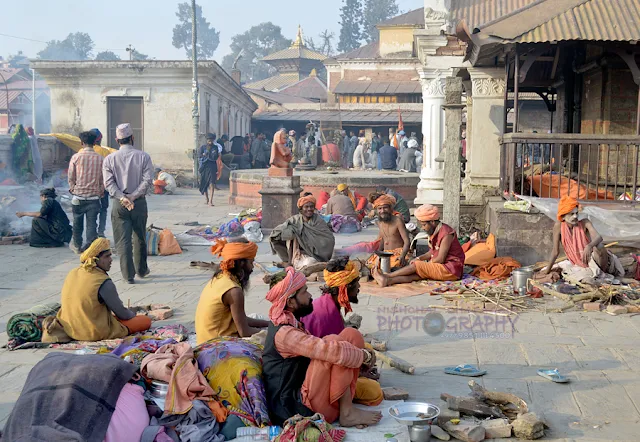 |
| sadhus are in the Laxmi Narayan Temple area |
 |
| Naga Baba (sadhu) come out the pashupati nath temple area with wearing towel. |
 |
| smoke GAJA (marijuana) around the pashupati |
 |
| some of the sadhu talking rest even there was big crowd |

 |
| Naga Baba (sadhu) walking without any cloth in pashupati area |


Comments
Post a Comment